Choosing the Right LED Display can be the difference between simply showing content and truly captivating your audience. With so many options available—different pixel pitches, sizes, indoor vs. outdoor use, and advanced features—it can feel overwhelming.
This guide will walk you through the essential steps for choosing the right LED display for your business, ensuring your investment drives attention, engagement, and long-term value.
Why Choosing the Right LED Display Matters
In today’s competitive market, businesses can’t rely on static posters or dull digital screens. The right LED display offers:
- Maximum visibility in any setting
- Dynamic content capabilities (videos, animations, live feeds)
- Energy efficiency and durability for long-term ROI
- Customization to fit your unique space and goals
If you invest wisely, an LED display becomes more than a screen—it’s a powerful marketing and communication tool.
Step 1: Define Your Goals Before Choosing an LED Display
Before choosing the right LED display, ask:
- Do you want to attract customers with eye-catching visuals?
- Will the display share real-time information (transport, events)?
- Is your focus sales and promotions in retail?
- Do you need to enhance live experiences at events or sports arenas?
Your purpose will guide every technical decision that follows.
Step 2: Indoor vs. Outdoor A Key Factor in Choosing the Right LED Display
Indoor LED Displays: Best for retail, offices, airports, and conference rooms. High resolution, lower brightness.
Outdoor LED Displays: Perfect for billboards, stadiums, and public venues. Weather-resistant, higher brightness, larger pixel pitch.
👉 Pro tip: Always match the display environment with its technical design to avoid underperformance.
Step 3: Pixel Pitch and Resolution – The Core of Choosing the Right LED Display
Pixel pitch directly impacts clarity and cost.
- Small pixel pitch (P1.5–P3) = High resolution for close-up viewing
- Large pixel pitch (P6–P10) = Suitable for long-distance outdoor viewing
Rule of thumb: Viewing distance (in meters) ≈ Pixel pitch × 2.
Example: A P3 screen is best viewed from 6 meters away.
Step 4: Size and Viewing Distance Considerations
When choosing the right LED display, align display size with audience distance.
- Small spaces: Compact LED walls (retail shops, restaurants)
- Medium spaces: Mid sized screens (auditoriums, lobbies)
- Large venues: Giant LED boards (stadiums, highways)
The right size ensures clarity, impact, and cost-effectiveness.
Step 5: Brightness and Contrast Critical for Visibility
Indoor LEDs: 800–1,500 nits.
Outdoor LEDs: 5,000–10,000 nits.
High contrast ratio = Vibrant colors and sharper images.
Choosing the wrong brightness level is one of the most common mistakes businesses make.
Step 6: Content and Control Systems
Your LED display is only as effective as the content it shows. When choosing the right LED display, ensure your control system supports:
- Real-time updates
- Video and animation playback
- Remote management and scheduling
- Integration with third-party systems (POS, event feeds)
Step 7: Durability, Maintenance, and Service
A smart decision isn’t just about visuals—it’s about longevity.
- Outdoor units: Weather resistant (high IP rating)
- Easy-to-service modules for quick repairs
- Energy-efficient systems for lower operating costs
- Strong warranties and reliable after-sales support
This is where an experienced partner like Durway makes all the difference.
Step 8: Budgeting and ROI
When choosing the right LED display, avoid going for the cheapest option. Instead, focus on:
- Long-term durability
- Energy savings
- Audience engagement and sales impact
Think in terms of return on investment (ROI) rather than upfront cost.
Common Mistakes to Avoid When Choosing an LED Display
- Ignoring pixel pitch and viewing distance
- Choosing low brightness for outdoor applications
- Neglecting maintenance and service options
- Failing to plan for engaging content
- Prioritizing price over performance
Future Trends in LED Displays
When choosing the right LED display, consider future-proofing. Watch for:
- Micro-LED and fine-pitch innovations for ultra-HD visuals
- Transparent LED screens for creative storefronts
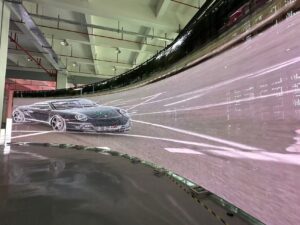
- Curved and flexible displays for immersive installations
- AI-driven content personalization
- Sustainable, energy-saving designs
Conclusion: Choosing the Right LED Display for Your Business
The process of choosing the right LED display involves more than picking a screen—it’s about defining goals, selecting the right environment, ensuring the proper resolution, and planning for long-term reliability.
With over 30 years of expertise, Durway specializes in delivering advanced LED display solutions that exceed expectations. From consultation to installation and beyond, we help you choose and deploy the perfect LED display for your unique business needs.
Ready to make the right choice? Contact Durway today and let us bring your vision to life. XeltovoPrime